What’s Cloud Accounting And Is It Right For Your Small Business?
Learn what cloud accounting is and how it can save your small business time and money.


- Key takeaways
- Cloud accounting explained
- How cloud accounting works
- Cloud accounting vs traditional accounting
- The benefits of cloud accounting software
- Popular cloud accounting software for small businesses
- Is cloud accounting a good choice for your SMB?
- Cloud accounting and Melio
- Cloud accounting FAQs
Key takeaways
- Understand that cloud accounting stores your books on the provider’s secure servers, so you can reach them online from any device.
- Compare cloud and traditional accounting on access, updates, cost, and backups before you switch.
- Choose a reputable platform like QuickBooks Online or Xero, and confirm it syncs with your bill pay and invoicing.
- Consider cloud accounting if you want lower cost, less setup, and books you can manage without a finance degree.
Cloud accounting explained
Cloud accounting refers to performing bookkeeping using software that doesn’t store data on your local computer. Instead, the data lives remotely on servers owned by the company that makes the software. You access it online through a username and password.
This is a software-as-a-service (SaaS) model, used by many companies, including Melio. You’re probably already using cloud-based tools like email, ChatGPT, Dropbox, iCloud, and Google Drive. None of these live on your computer. You just sign in from any device with an internet connection.
Popular cloud accounting services include QuickBooks Online and Xero. They also sync with Melio’s business-to-business (B2B) payment platform. That means your books stay aligned with your accounts payable and accounts receivable (AP and AR).
How cloud accounting works
Getting started with cloud accounting takes just a few simple steps.
- Sign up for a cloud accounting service and create your account.
- Connect your bank accounts and business tools, like your bill pay platform.
- Let your data sync automatically to the provider’s secure servers.
- Review your books and take action from any device, anywhere.
Cloud accounting vs traditional accounting
The biggest difference comes down to where your data lives and how you reach it.
- Access: Cloud accounting works from any device with internet. Traditional desktop software only runs on the computer it’s installed on.
- Updates: Cloud services update automatically. Traditional software needs manual updates you have to install yourself.
- Cost: Cloud tools use affordable subscriptions. Traditional software often means a larger upfront purchase plus hardware.
- Backups: Cloud providers back up your data for you. With desktop software, backups are on you.
The benefits of cloud accounting software
Cloud accounting stands out for four reasons: it’s secure, accessible from anywhere, cost-effective, and always up to date.
Secure and encrypted
Your data stays protected. With cloud services, your information is encrypted and password-protected, so only authorized users can see it. This helps you stay compliant with data protection rules. It also lowers your risk of fraud and identity theft.
Even if your laptop, phone, or tablet is stolen, your data isn’t stored on the device. You can revoke access for specific users or devices right away. That keeps your books out of the wrong hands.
Accessible from anywhere
Your books travel with you. As long as you have internet access, you can reach your financials wherever you are. Even when you’re traveling or away from the office, you can check in and keep everything in good shape.
Cost-effective
You pay less, upfront and over time. Cloud-based services usually cost less than locally installed software. They’re subscription-based, so there’s less commitment and you only pay for what you use.
Because your data is stored remotely, you won’t need expensive servers or high-performance computers. Cloud tools also require less training and are ready to use within minutes of signing up.
Automatic updates
You’re always on the latest version. Unlike local software, cloud solutions update themselves. You don’t have to worry about missing a security patch. You simply get the newest version every time you sign in.
Popular cloud accounting software for small businesses
A few cloud accounting tools stand out for small businesses. QuickBooks Online, Xero, and Zoho Books are among the most popular choices. Each one helps you manage bookkeeping from anywhere without local installs.
QuickBooks Online and Xero also sync directly with Melio. That keeps your bill pay and invoicing in step with your books on both platforms.
Is cloud accounting a good choice for your SMB?
To decide whether cloud accounting is right for you, consider these common traits of SMBs:
- Small businesses don’t always have an accountant or bookkeeper, so they need to handle their own books without a finance degree.
- They need a cost-effective solution that won’t hurt their cash flow.
- They can’t afford a large investment that ties them to one service, since their needs stay flexible.
- They don’t have time to set up hardware, complete technical training, or install local software.
If you recognize your business in any of these, it’s time to consider a move to cloud accounting.
Cloud accounting and Melio
Cloud accounting offers the same features as traditional software for a fraction of the price. It also needs less onboarding and no hardware upgrades. That makes it a great fit for small businesses.
You know what else fits SMBs? Melio. It’s a B2B payments platform built for the AP and AR needs of small businesses. Melio also syncs with the most popular cloud accounting services, so your financials stay current on both platforms.
Sign up for Melio today to start the sync and keep your books in the cloud.
Cloud accounting FAQs
Is cloud accounting the same as cloud computing?
Not quite. Cloud computing is the broad idea of storing and accessing data on remote servers. Cloud accounting is one specific use of it, focused on bookkeeping.
What are the disadvantages of cloud accounting?
You need a reliable internet connection to reach your books. You’re also trusting your provider to keep your data secure, so it helps to choose a reputable service.
Do I need an accountant to use cloud accounting software?
No. Cloud accounting tools are built to be user-friendly, so many small business owners manage their own books. That said, an accountant can still add value for tax planning and complex needs.
Can cloud accounting software connect to my bill pay and invoicing?
Yes. Services like QuickBooks Online and Xero sync with payment platforms like Melio. That keeps your bill pay, invoicing, and books aligned in one flow.
*This blog post is intended for informational purposes only and is not intended as financial advice.
**Melio does not provide legal, tax or accounting advice, and you should consult with a professional advisor before making any financial decisions.

5 Ways To Build Solid Relationships With Your Vendors
Build stronger vendor relationships with simple habits that earn better terms, priority, and reliability.
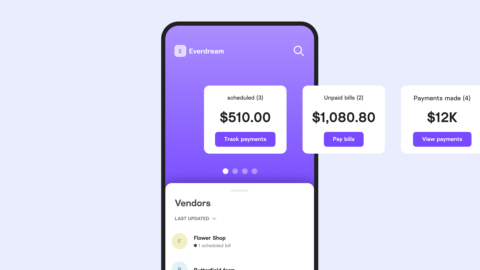
Introducing Melio’s new iOS payment app for small businesses
Melio’s new mobile app allows SMB owners to manage accounts payable and any urgent business payment no matter where they are.
10 must-know tips for your business from accounting professionals
We asked accountants and bookkeepers to share their no. 1 financial tips for SMBs, and picked out the best of the best. Here’s what they had to say