How To Protect Your Small Business Assets During Inflation
Protect your small business from inflation with practical steps to steady cash flow and cut costs.


- Key takeaways
- Maintain solid cash flow
- Separate and protect your business finances
- Discover strategies to reduce expenses
- Explore other cost-cutting strategies
- Diversify your products and services
- Diversify your revenue streams
- Refine your supply chains
- Reassess and optimize your business operations
- Maintain your marketing efforts
- Manage your small business debt
- Evaluate an exit strategy
- Protect your business assets for the long term
- Protecting business assets FAQs
Key takeaways
- Maintain steady cash flow with digital payment tools and separate business accounts to protect your assets during inflation.
- Reduce expenses by improving efficiency, automating tasks, and negotiating better supplier rates.
- Diversify your products and revenue streams to offset rising costs and reach new customers.
- Manage variable-rate debt carefully and prioritize high-interest balances while rates stay elevated.
Maintain solid cash flow
Cash flow is the money moving in and out of your business. Healthy cash flow means more comes in than goes out, which protects your assets when inflation raises costs.
Small and medium-sized businesses (SMBs) are typically more vulnerable to cash flow issues. To safeguard the value of their business, SMB owners can put a few measures in place to uphold healthy cash flow, including digital payment tools.
Banking tools can boost cash flow too:
- Credit card rewards to earn back on your spending.
- High-yield business savings to grow idle cash.
Separate and protect your business finances
Keeping business and personal money separate makes it easier to protect what you’ve built. Clear separation gives you an honest view of your cash flow and shields your personal assets if the business hits a rough patch.
- Use dedicated business bank accounts and cards, and avoid mixing personal and business funds.
- Pay vendors and bills from one place so your records stay clean and easy to follow.
- Review your insurance and business structure with a professional to limit personal liability.
Discover strategies to reduce expenses
Reducing expenses protects your margins during inflation. Focus on efficiency and process improvements first, since they cut costs without hurting quality.
This may involve adopting new technology or finding smarter ways to optimize operations without impacting product quality.
Investing in technology can benefit small businesses by automating tasks. Improved efficiency and productivity can lead to higher profitability.
Explore other cost-cutting strategies
Reduce expenses wherever you can, and raise the prices of your products and services to maintain profit margins.
Gradually raising prices can help offset rising costs. Communicate openly with customers to minimize the impact and keep them satisfied.
Never compromise quality to keep prices low, as this may reduce sales. Strive for a balance that benefits you and your customers, and keeps your business sustainable.
If you buy raw materials, small sourcing changes can lower costs without hurting quality:
- Compare suppliers to find better rates.
- Negotiate for the best possible pricing.
- Buy in bulk to earn volume discounts through financing.
If it fits your industry and customers, downsizing to a smaller space or moving to a fully remote setup can provide meaningful savings.
Exploring current government small business relief programs and tax credits can also help.
Diversify your products and services
Evaluate your existing offerings and look for opportunities to expand your product line. Consider adding complementary products or bundled offers to give customers more choices.
This diversification increases customer retention during turbulent times. It also mitigates risk when approached strategically and with careful financial analysis.
Diversify your revenue streams
Relying on a single revenue stream leaves your business exposed to inflation. Diversifying your revenue sources during inflationary periods is a smart safeguard.
New products or services can attract new customers and retain existing ones. Bundles or added benefits can increase perceived value and justify higher prices. Pairing these with price adjustments helps mitigate the impact of inflation.
Refine your supply chains
Expanding strategically or adding alternative lines of goods can boost your profit margins. Focusing on your best-selling products and increasing their distribution can help you negotiate favorable pricing with manufacturers.
Reassess and optimize your business operations
During economic challenges, business owners often need to make operations leaner and more efficient to protect their margins. Reviewing your operations and finding areas to streamline is crucial to combating inflation.
Streamlining doesn’t have to mean downsizing. Instead, look for ways to work smarter:
- Automate repetitive tasks.
- Free up staff for customer-facing work.
- Cut the need for extra hires during busy periods.
Maintain your marketing efforts
In times of financial constraint, it may be tempting to cut your marketing budget. However, cutting back on marketing during inflationary periods is not advisable.
Competition intensifies when consumers are looking for ways to save money. By reducing marketing, you risk losing potential customers to competitors that keep promoting.
Keep investing in marketing and use strategies that attract new customers despite higher prices. Highlight new products, emphasize service quality, and offer special deals for new customers to sustain and grow your business.
Manage your small business debt
Small businesses must understand how debt affects their finances, especially during inflationary periods. If any of your debts carry variable interest rates, you are exposed to the impact of inflation.
Governments typically raise interest rates in response to inflation, which raises debt costs. This measure addresses inflation in the economy and prevents long-term high prices.
The Federal Reserve has held its target range at 3.50% to 3.75% through 2026, so rates remain elevated. Small businesses with variable-rate debt should manage their finances carefully rather than count on near-term cuts.
Look for debt relief options available in your state to pay down business debt faster. Prioritize high-interest, variable-rate balances first to reduce your exposure.
Also, try to avoid taking out more business loans during inflation.
Evaluate an exit strategy
Safeguarding the value of your business starts by assessing its monetary worth.
A business valuation matters for long-term planning and potential sales. It helps you determine growth tactics, secure financing, attract investors, and more.
With deal volume stabilizing and buyers favoring strong, cash-flowing businesses, demand for valuations remains steady. According to BizBuySell, nearly two-thirds of brokers expect deal volume to rise over the next six months.
This trend is notable among entrepreneurs contemplating retirement. They grapple with the decision of selling now or waiting for inflation to subside and sales to rebound.
Protect your business assets for the long term
Rather than expecting inflation to dissipate, a creative and innovative approach is advisable. US consumer prices rose 4.2% over the 12 months ending May 2026, the highest reading since April 2023, driven largely by energy prices amid ongoing geopolitical tensions.
Inflation remains elevated, so protective measures are still worthwhile. By reviewing your financials and conducting a thorough business valuation, you can build a strategic plan for the future and uncover promising business prospects.
Sign up for Melio to pay bills and get paid, so you can protect your cash flow while you put these strategies to work.
Protecting business assets FAQs
What is protecting business assets?
Protecting business assets means taking steps to shield your company’s money, property, and value from loss. During inflation, that includes managing cash flow, cutting costs, and handling debt carefully.
What is the best way to protect business assets?
There is no single best way. Most owners combine steady cash flow, separate finances, smart cost control, and careful debt management to stay resilient.
Does an LLC really protect your business assets?
An LLC can separate your personal and business assets, which helps limit personal liability. It does not protect against every risk, so pair it with good financial habits and insurance.
How can a business owner protect personal assets?
Keep personal and business finances separate, choose a suitable business structure, and carry the right insurance. A professional advisor can help you match these to your situation.
*This blog post is intended for informational purposes only and is not intended as financial advice.
**Melio does not provide legal, tax or accounting advice, and you should consult with a professional advisor before making any financial decisions.

ACH Return Codes Explained: R01-R85 and How to Fix Them
Learn what ACH return codes mean, why payments get returned, and how to fix and prevent them fast.
One Vendor, Multiple Bills? Pay Them All In One Go With Batch Payments!
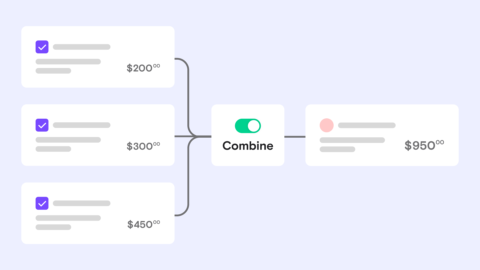
Combine multiple bills to the same vendor into one batch payment, and save time on every pay run.

Meet the winners of our 2022 Shop Local campaign
Art of Collab, the Historic Hampton House, and Patriot Welding Supply are examples of how small businesses can make a real impact on their communities.