The Small Business Owner’s Guide to Vendor Payment Security
Protect your money and vendor relationships. See how to pay vendors safely and stop fraud early.


- Key takeaways
- What is vendor payment security?
- How vendor payment fraud happens
- Which payment methods are most secure for paying vendors?
- How to protect your business from vendor payment fraud
- What internal controls keep vendor payments safe
- Simplify secure vendor payments with Melio
- Vendor payment security FAQs
Key takeaways
-
Vendor payment security covers the practices that protect the money and data involved when you pay vendors.
-
Most vendor fraud starts with a fake request to change bank details, so verification matters.
-
Digital payment methods like bank transfers and virtual cards add tracking and encryption that paper checks can’t.
-
A few simple internal controls, like approvals and vendor checks, stop most fraud before money leaves your account.
What is vendor payment security?
Vendor payment security is the set of practices that protect the money and data involved when you pay vendors. It covers how you send funds, how you store bank details, and how you confirm that a payment request is real.
This is different from card-acceptance security. Standards like PCI focus on protecting your customers’ card data when they pay you. Vendor payment security focuses on the money going out the door to the people and businesses you pay.
For small teams, this matters more than you might think. One owner often handles payments, approvals, and record-keeping alone. That leaves fewer checks in place, which is exactly what fraudsters look for.
How vendor payment fraud happens
Vendor payment fraud usually starts with someone pretending to be a business you trust. The FBI reports that business email compromise scams like these caused more than $50 billion in exposed losses between 2013 and 2022. Here are the most common types to watch for.
-
Business email compromise: A fraudster poses as a known vendor and asks you to change their bank details. The next payment lands in the fraudster’s account.
-
Invoice fraud: You receive a fake or altered invoice that looks routine, often for a service you really use.
-
Fake vendor fraud: Someone sets up a fake supplier and sends invoices for goods you never ordered.
-
Check fraud: A paper check gets stolen, altered, or copied, then cashed by someone else.
Most of these schemes share the same warning signs. Learn them, and you’ll catch a lot of fraud early.
-
A sudden request to change bank details, especially by email
-
Pressure to pay fast or keep the request quiet
-
A new payment address that’s only a PO box
-
Misspellings in the vendor name, email domain, or invoice
-
Duplicate invoices, or amounts that don’t match your records
When something feels off, slow down and confirm it. Good B2B payment fraud prevention starts with a pause and a phone call.
Which payment methods are most secure for paying vendors?
The way you pay changes how much risk you take on. Let’s compare three common options for paying vendors.
Paper checks carry the most risk. They can be stolen from the mail, altered, or copied, and they expose your bank account and routing number to anyone who handles them. They’re also hard to track once they leave your desk.
ACH bank transfers move money digitally between accounts. They’re encrypted, they leave a clear record, and there’s a short processing window that gives you time to catch mistakes. You can learn more in our guide to mitigating ACH payment fraud.
Virtual cards add another layer of protection. Each one uses a unique number tied to a single vendor or payment, so your real account details stay hidden. Every transaction is logged, which makes fraud easier to spot.
Digital methods win on traceability. They record who got paid, when, and how much, and that trail is one of your best defenses.
How to protect your business from vendor payment fraud
You don’t need a big team or fancy software to reduce risk. These five steps make the biggest difference for small businesses.
Verify every change to vendor payment details
Treat every request to update bank details as a red flag until you confirm it. Call the vendor using a number you already have, not one from the email. The FBI recommends using secondary channels or two-factor authentication to confirm any change to account information.
Separate who approves and who pays
Try not to let one person request, approve, and send a payment alone. Split those roles across two people whenever you can. This simple gap catches errors and makes fraud far harder to pull off.
Move vendor payments off paper checks
Paper checks are one of the easiest targets for fraud. Switching to bank transfers or virtual cards adds encryption and a clear record. It also saves your vendors from waiting for checks in the mail.
Monitor accounts and set payment approvals
Review your accounts often so unusual payments stand out fast. Set approval rules that flag large or unfamiliar transactions before they go out. The sooner you spot a problem, the easier it is to stop.
Train your team to spot red flags
Your team is your first line of defense against fraud. Show them the warning signs, like urgent bank-detail changes and lookalike email domains. Make it normal to pause and double-check anything that feels rushed or strange.
What internal controls keep vendor payments safe
Internal controls are the everyday habits and rules that keep your payments honest. Here are three that give small teams the most protection.
Segregation of duties
Segregation of duties means no single person controls a payment from start to finish. One person enters the bill, and another approves and sends it. This split is one of the strongest fraud defenses you can build.
Vendor verification and onboarding
Confirm who a vendor is before you ever pay them. Collect and verify their business details, bank information, and tax forms up front. Letting vendors enter their own details securely also keeps sensitive data off your desk.
Approval workflows and access limits
Set clear rules for who can approve payments and up to what amount. Limit access to your payment tools so only the right people can move money. These guardrails keep both mistakes and fraud in check. For more habits worth adopting, see our best practices for secure B2B payments.
Simplify secure vendor payments with Melio
Melio helps small business owners pay vendors by bank transfer or card, all from one place. You choose how to pay, and your vendor gets the funds the way they prefer. That flexibility means you can leave risky paper checks behind.
Security is built into the way Melio works. You can set approval workflows so the right people sign off before money moves. Bank details stay encrypted, and every payment leaves a clear trail you can review anytime.
Ready to pay your vendors more safely? Sign up for Melio and take control of how your business pays.
Vendor payment security FAQs
Here are answers to some frequently asked questions about vendor payment security.
What is a vendor security review?
A vendor security review is a check of how well a vendor protects data and handles payments. It helps you decide whether a supplier is safe to work with before you pay them.
What does payment security mean?
Payment security means protecting the money and data involved in a transaction from fraud, theft, and errors. It covers how funds move, how details are stored, and how requests get verified.
How do you handle vendor payments securely?
Verify every vendor and every change to their bank details, and split who approves from who pays. Use digital methods like bank transfers or virtual cards so payments stay encrypted and easy to track.
What is the best vendor payment software?
The best vendor payment software is easy to use and lets you set approvals, encrypt bank details, and track every payment. Melio brings these features together in one place built for small businesses.
This content is for informational purposes only and should not be considered financial, legal, tax, or accounting advice. Melio does not provide professional advisory services. Always consult a qualified professional before making financial or business decisions.
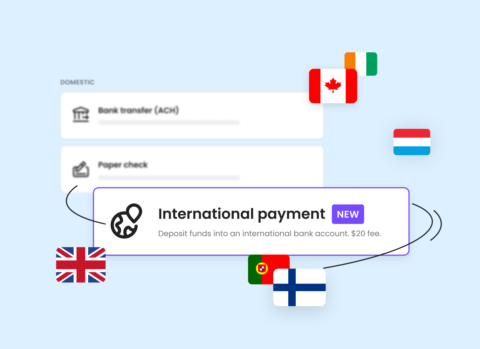
How To Pay Your International Vendors With Melio
Pay your international vendors in USD or local currency, all from the same place you pay every bill.

Your payment platform works fine. That's the problem.

How To Pay Vendors Online with Melio
Pay your vendors online in minutes, skip the paper checks, and take back control of your cash flow.