Negative Cash Flow: Causes And Recovery Strategies For Your Business
See why your business has negative cash flow and learn simple ways to recover and keep it running.


Key takeaways
- Understand negative cash flow as more money leaving your business than coming in, which strains your ability to pay bills.
- Diagnose the cause first, whether it is high costs, slow-paying customers, overstocked inventory, or messy bookkeeping.
- Apply targeted recovery moves like negotiating payment terms, chasing outstanding invoices, and using digital AP tools.
- Consult an accountant and check federal programs before taking on high-interest debt.
What’s cash flow and why it’s important
Cash flow is the flow of cash coming into and going out of your business at a given time. Cash coming in may be from sales, investments, or other payments to the business. Cash going out is typically payroll, vendor payments, and other expenses.
Positive cash flow—when you have more money coming into your business than going out—is healthy cash flow. It means you have enough money to pay your bills and expenses. It also gives you the ability to invest in your business, buy new equipment, develop new products, or expand to new markets.
On the other hand, negative cash flow—when more money is going out than coming in—makes it harder to manage accounts payable, forecast expenses, or prepare for slow months. In fact, according to SCORE, cash flow problems cause 82% of small business closures.
Negative cash flow examples
What does negative cash flow look like in real life? Let’s explore a couple of examples.
Negative cash flow example one:
The owner of a toy store noticed that a particular product was all the rage, so they decided to stock up. Unfortunately the craze ended as fast as it began, so the business was stuck with excessive inventory, which was tying up cash in unsold stock.
On top of this, sales were slower than expected due to a family crisis, which kept the store shuttered for several days. As a result, the toy store faced negative cash flow because cash was spent on inventory that didn’t sell, and overall sales were also halted for a short period.
For the next couple of months, the business struggled to cover some supplier payments, which strained vendor relationships.
Negative cash flow example two:
A marketing consulting company offered 60-day payment terms to its clients to drum up more business. However, the company did not follow up with the clients to remind them of their upcoming payment due dates. As a result, many clients ended up paying late, and some even requested extended terms, which created a gap in cash flow.
Despite being profitable on paper, the company experienced negative cash flow, which made it difficult to cover immediate expenses. The company had to resort to a short-term loan with a high interest rate to cover the gap, increasing overall costs and putting pressure on future cash flow with extra debt payments.
Why do you have negative cash flow?
Before you decide how you deal with cash flow issues, it’s important to investigate and understand why you are having these issues to begin with.
Below, we’ll outline some of the most common causes of cash flow issues in small businesses.
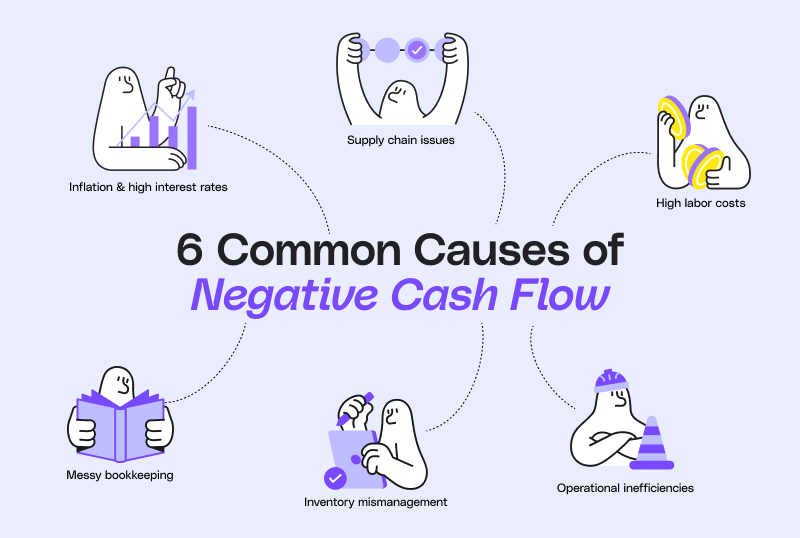
Inflation
When inflation is high, goods cost more and businesses have higher outgoing cash as a result. And with interest rates remaining high, businesses with existing loans suddenly find themselves making higher loan payments. This means businesses may have predicted a certain cash flow, but are dealing with less available cash thanks to higher borrowing expenses.
Supply chain issues
Supply chain disruptions, material shortages, and price increases across many industries can raise your costs. Shortages mean higher prices and less cash on hand, making it harder to maintain and forecast cash flow.
Growing labor expenses
Labor costs continue to rise and many industries are facing staff shortages. Staffing gaps in some industries can add to these costs.
High labor costs mean that businesses have to spend more to produce and deliver their goods or services to consumers. And labor shortages mean that businesses can’t find enough help to fill their needs, leading to shorter working hours or longer fulfillment times. This leaves less cash for the business and can contribute to negative cash flow.
Messy bookkeeping
Keeping the books in order and updated is important to make sure your business is on track with its finances. Being able to forecast cash flow will help you adjust your needs in a timely manner and avoid being surprised by low earnings and unpredictable expenses.
Inventory management issues
You need a certain level of inventory to make sales, but overstocking is also a problem. The higher your inventory levels, the less available cash you have as you’ve paid for what you have in stock but haven’t made the sale.
Uncounted or forgotten inventory is also a burden to cash flow until it is identified and sold because it ties up your cash and damages your liquidity. That’s why keeping an accurate record of inventory is so important to your cash flow.
Operational factors
A business is like a machine. If it is not operating optimally, then this will impact cash flow. For example, a business with high operating costs will eat up more cash in operational expenses, reducing available cash. If customers are slow to pay, then incoming cash is delayed, putting the business out of sync with accounts payable and disrupting the smooth flow of incoming and outgoing funds.
Pricing issues are also a factor. If inventory is purchased at a price that’s too high, then profit margins are lower, reducing cash flow. If a business has to increase the cost of their products or services unexpectedly, this may lead to fewer sales, lower revenue, and subsequent cash flow problems.
Impact of negative cash flow on your business
Negative cash flow affects your business by draining the money you need for daily operations. Left unchecked, it can become a cycle. Reduced output lowers sales, which deepens the shortfall.
Here are the key ways that negative cash flow can impact a business’s present and future performance:
Business operations
Negative cash flow makes it hard to pay ongoing expenses like rent, payroll, vendor invoices, and utilities. That raises the risk of disrupted operations. It can also force you to cut inventory purchases or pause hiring, making it harder to fulfill orders or meet customer demand.
If a business isn’t able to maintain healthy cash flow, it may be late in paying suppliers, which can lead to less favorable payment terms or reduced credit limits. Suppliers may even choose to stop working with the business if the situation gets out of hand.
Negative cash flow also means that the business is not in a position to take advantage of early payment discounts, which increases the cost of expenses over time.
Difficulty securing financing
Cash flow is a key indicator of a business’s health, and lenders use it to determine loan eligibility. Negative cash flow is a sign of financial instability, which makes it harder to qualify for financing and less likely to get favorable interest rates. Higher costs of borrowing, such as higher interest rates or shorter repayment terms, add even more financial strain to the business.
Plus, businesses with negative cash flow don’t have available funds to invest in marketing, product development, or hiring more staff, which hampers their ability to grow and stay competitive.
Cash flow recovery strategies you can try
These strategies help you recover cash and stabilize your finances. Work through them in order, starting with the fastest wins.
Negotiate your accounts payable
Accounts payable, or AP, is the money that your business owes or needs to pay for goods and services. It includes all business expenses such as rent, utilities, equipment, supplies, and service providers.
A financially healthy business should always have enough money to pay its bills. But if you’re short on cash, you can potentially negotiate better payment terms with your vendors. Ask your vendors about:
- Longer payment terms that push out due dates
- Installment payments that spread the cost
- A payment schedule that helps you hold onto cash longer
Vendors who you have a long, trusted working relationship with are more likely to accept these requests.
Use online AP tools
A digital payment tool improves cash flow in two clear ways. First, it can reduce accounting errors that lead to double payments or inaccurate cash flow forecasting.
In addition, many vendors are still working with paper checks. But digital bill pay solutions like Melio allow you to pay by credit card, even if your vendors don’t accept them. By paying your business bills with a credit card, you can defer payments to the next billing cycle. That way, you can buy the inventory and make payments you need now, while only paying when your balance is due and you have enough cash to do so.
Revisit outstanding invoices
Outstanding invoices are invoices you’ve sent to customers that haven’t been paid yet. Review your accounts receivable (AR) regularly, and offer small incentives for customers who pay early.
Sometimes, invoices haven’t been paid because your clients just forgot. Use this opportunity to send out reminders, or use an accounts receivable tool that automatically sends reminders for you. And ensure you’re making it as easy as possible for your customers to pay you by accepting digital payments and including payment links in your invoices. Less friction typically means faster payments, which boosts your cash flow.
Sell equipment you don’t need
Sustainability is the word on everyone’s lips, and negative cash flow is a wonderful opportunity to turn this into practice. There are likely a lot of things that you don’t use in your office or store. Desks, chairs, computers, or anything you don’t need can be sold to earn some extra cash.
Know the right federal programs
When your business is facing cash flow issues, the first thing that often comes to mind is a loan. Before you go that route, as it can solve short-term cash flow problems but worsen them in the long-term thanks to interest, make sure you consult an accountant or a financial expert.
Either way, be sure to check what federal grant or loan programs are applicable to you. The Small Business Administration is usually a good source of information.
Run a promotion
This may seem counterintuitive—after all, it usually costs money to run a marketing campaign. However, while the cost of a promotion will cut into your immediate cash flow, it is a great way to increase sales and attract new customers.
For example, offer a sale on certain items or categories, or provide a discount code on the next purchase, encouraging buyers to come back soon. By creating a promotion and advertising it online, via word of mouth, or in-store, you can succeed in generating more revenue.
Promoting a sale via your email list or social media channels also won’t cut into your marketing budget, and can generate additional income from people who are already engaged with your brand.
Ask an accountant
Managing your finances isn’t easy. For some business owners, it’s their least-favorite part of running the show. Don’t worry, that’s what financial experts are for! If you don’t have an accountant, it’s always recommended to consult one when your business is facing financial challenges like cash flow management issues. A good accountant can help you sort out the underlying causes and create a plan for the future that helps you get out of the downward spiral.
Hold on to cash longer
No matter how you got here, there are several strategies for how to improve cash flow in a business. Once you determine the reasons your business is facing those issues, you can start planning immediate steps and long-term solutions. Even if your financials are stable, taking care of your accounts payable by digitizing them and negotiating your payment terms is always a good idea.
Ready to take control of your cash flow? Start by signing up with Melio today to optimize your cash flow so your business can thrive.
Negative cash flow FAQs
Is negative cash flow always bad?
No. Negative cash flow is normal for new businesses and during periods of heavy investment. It only becomes a problem when it lasts and you cannot cover your expenses.
When is negative cash flow normal for a business?
It is normal when you are investing in growth, stocking up ahead of a busy season, or waiting on customer payments. Short, planned dips are healthy when you have a way to cover them.
How long can a business survive with negative cash flow?
It depends on your cash reserves and access to funding. A business can run short for a while, but it needs a clear plan to return to positive cash flow before reserves run out.
*This blog post is intended for informational purposes only and is not intended as financial advice.
**Melio does not provide legal, tax or accounting advice, and you should consult with a professional advisor before making any financial decisions.

Should You Accept B2B Credit Cards? Costs, Benefits, and Fees
See whether accepting B2B credit cards can help you get paid faster and win more customers.

What Is An ACH Withdrawal And How Does It Work?
See what an ACH withdrawal is, how it works, and how to stop one if you ever need to.
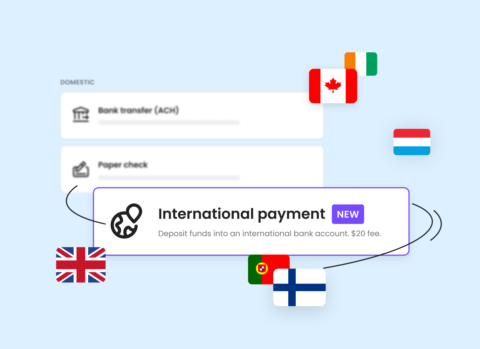
How To Pay Your International Vendors With Melio
Pay your international vendors in USD or local currency, all from the same place you pay every bill.