4 Ways Every Small Business Can Simplify Invoice Processing
Simplify invoice processing and pay vendors on time with a few practical digital habits.


Key takeaways
- Apply a consistent process to receive, approve, pay, and record every invoice.
- Automate invoice capture, approval, and payment to save time and cut errors.
- Delegate approvals with clear roles and thresholds to keep control while saving time.
- Track what you owe and when to protect your cash flow.
What is invoice processing?
Invoice processing is the series of steps a business takes to receive, approve, pay, and record vendor invoices. It is a core part of the accounts payable workflow.
Getting it right keeps your payments on time and your vendors happy. It also gives you a clear view of what you owe and when. That kind of visibility helps you avoid surprises and keep your relationships strong.
The invoice processing steps
Most businesses follow the same five steps to handle an invoice from start to finish.
- Receive and capture the invoice.
- Verify the details and match them to a purchase order.
- Route the invoice for approval.
- Pay it using your chosen method.
- Record and file the invoice for your books.
Manual vs. automated invoice processing
Manual invoice processing relies on paper and hand entry. It tends to be slow, and it leaves plenty of room for mistakes.
Automated invoice processing uses digital tools to capture, route, and pay invoices for you. It saves time, cuts errors, and gives you better visibility into your finances.
How to simplify invoice processing with digital AP tools
You already know how digital tools make your personal bills easier. The same logic applies to your business invoices, and the less you track by hand, the smoother things run.
Here are four ways you can use digital AP tools like Melio to simplify invoice processing.
Stop manually processing payments
The most important part of invoice processing is making accurate, timely payments. Walking away from manual methods and paying your bills online is a great place to start.
It lets you manage every invoice in one place with a clear overview. It also saves time, since switching between manual payment methods is slow and error-prone. With Melio, you can use your preferred payment methods without affecting how your vendor gets paid.
Schedule payments in advance
Use digital AP tools to schedule payments ahead of time. Take care of all your soon-to-be-due invoices in one sitting, and know exactly when each payment goes out.
Start delegating with approval workflows
Delegate invoice processing to your team so you can focus on growing your business. Delegating doesn’t mean losing control. You set up approval workflows that decide which payments you review before they go out.
With Melio, you can assign roles and permissions to your team or an outside accountant. You can also set thresholds for payments that need approval.
Get better visibility to protect cash flow
Knowing what expenses are coming is central to a realistic budget and healthy cash flow. AP software shows what you owe and when, so you can protect cash flow and avoid surprise withdrawals.
Keep your invoice processing running smoothly
Stop chasing paper trails and late payments. Sign up for Melio and follow these tips to keep your business running more smoothly.
Invoice processing FAQs
Is invoice processing a skill?
Yes. It is a practical accounts payable skill. It covers checking invoice details, matching them to orders, routing approvals, and recording payments accurately.
What is AP invoice processing?
AP invoice processing is invoice processing handled by the accounts payable team. It runs from receiving a vendor invoice to paying and filing it.
How can a small business automate invoice processing?
Use digital AP tools that capture invoices, route them for approval, and schedule payments in one place.
*This blog post is intended for informational purposes only and is not intended as financial advice.
**Melio does not provide legal, tax or accounting advice, and you should consult with a professional advisor before making any financial decisions.

ACH vs SWIFT: Key Differences for Business Payments
Learn when to use ACH or SWIFT so every vendor payment lands on time and on budget.

B2B vs B2C: Key Differences and Which Is Right for You
Learn what B2B and B2C mean, how they differ, and which model fits your business best.
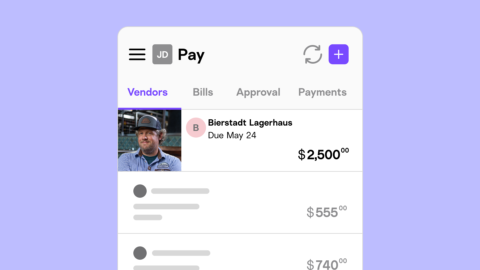
Check out Melio’s new Pay experience to streamline your AP
Managing accounts payable for your SMB just became easier with Melio’s new Pay experience. Just use the new Vendor tab to track your balance and pay in seconds.